Crib mattresses are designed to provide a safe, supportive sleeping surface for infants, with materials and construction chosen to minimize risk while maximizing comfort. Key features include firm, flat surfaces that reduce SIDS risk and promote proper spinal alignment, along with materials that resist mold and moisture. Understanding mattress density, durability, and cover fabrics helps caregivers select a product that lasts through the crib age range.
When evaluating crib mattresses, consider certifications such as GREENGUARD or OEKO-TEX to ensure low chemical emissions and safer indoor air quality. Essential usability attributes include a snug fit to prevent gaps around the edges, wipeable or water-resistant covers for easy cleaning, and a light yet sturdy core for handling during diaper changes and sheet adjustments.
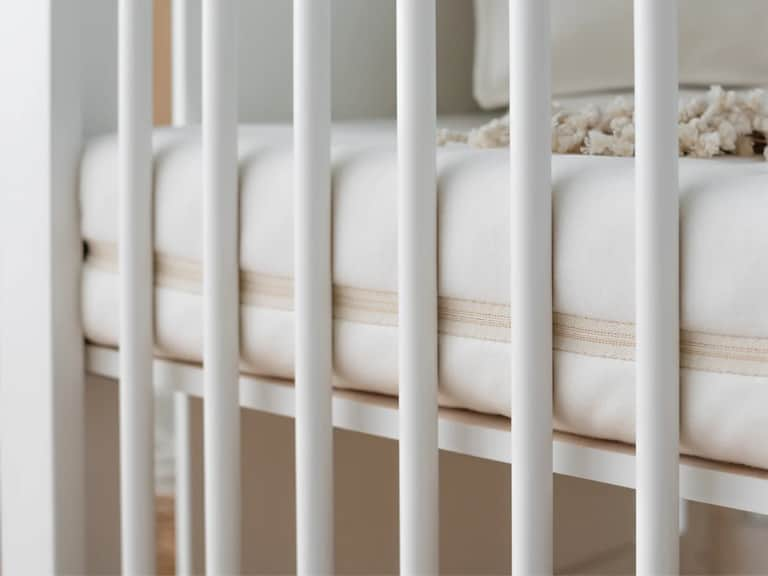
Obasan Organic Crib Mattress exemplifies how organic materials support a healthy sleep environment. Its core typically combines natural foam or coconut coir with a breathable, chemical-free fabric cover, offering a firm, supportive surface. Functional benefits include improved airflow, reduced off-gassing, and compatibility with standard crib frameworks for secure installation.
In addition to organic options, crib mattresses may use antibacterial fabrics, moisture-wicking layers, and reinforced edges to enhance durability and hygiene. Bedding considerations, including sheets and pillow-free setups, align with safe sleep guidelines. Selecting a mattress with easy cleaning features helps caregivers maintain a sanitary sleeping space for infants.
Understanding the interplay between mattress composition, safety standards, and practical usability informs responsible choices for infant sleep environments. Organic crib mattresses, including models like Obasan, emphasize natural materials and durable construction, while accessories such as organic sheets and compatible bedding enhance overall sleep quality and hygiene practices within the nursery.
 Nursery