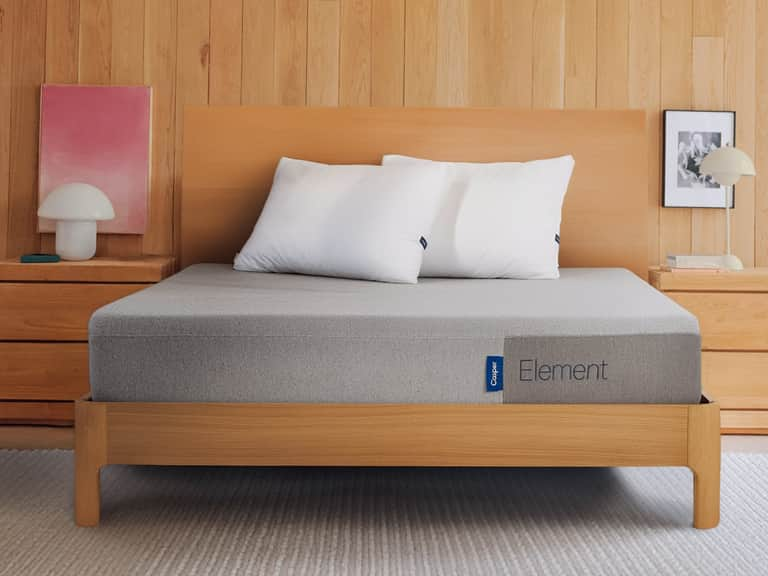
Foam mattresses are crafted to provide substantial pressure relief and conforming support, making them a popular choice for varied sleeping styles. The dense core and foam layers work together to minimize motion transfer while delivering consistent alignment for the spine. Understanding foam densities helps caregivers and sleepers choose suitable firmness for comfort and durability.
In the context of bedding materials, memory foam and polyurethane foam offer different comfort profiles. Memory foam adapts closely to body contours, enhancing contouring support, while polyurethane foam tends to be more breathable and affordable. Foam mattresses often incorporate transition and comfort layers to balance contouring with support and airflow throughout the night.
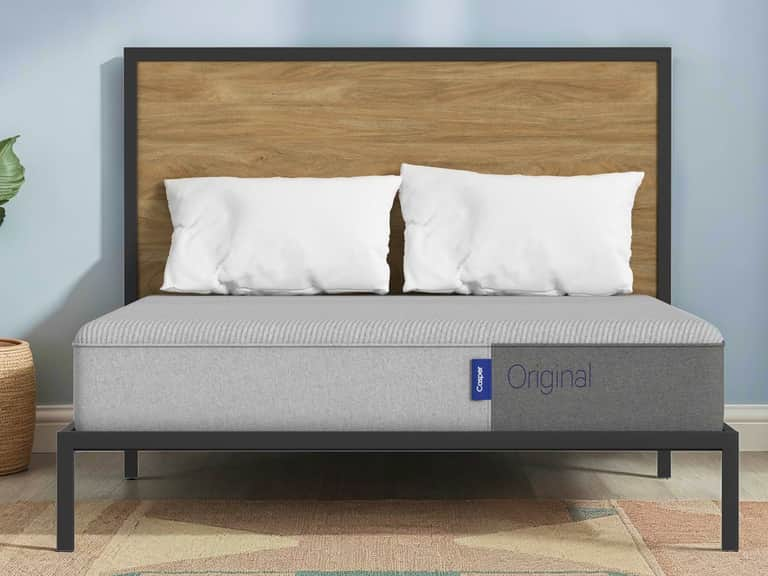
Original Mattress designs in this category emphasize key features such as pressure relief zones, airflow channels, and edge support. These elements contribute to ergonomic alignment, reduce tossing, and improve durability. Functional benefits include reduced stiffness in the morning and improved sleep quality from a well-supported trunk and hips.
Foam mattress construction also intersects with health and wellness considerations, including hypoallergenic materials and low VOC emissions. For families, nursery-grade options and safer formaldehyde-free formulations can be relevant, alongside latex-inspired alternatives offering natural resilience. The right foam composition supports a clean, comfortable sleeping environment for extended use.
Understanding mattress longevity and appropriate care enhances usability, such as rotating the bed periodically to maintain even wear. When comparing options like latex-inspired foams and traditional memory foam, consider sleep temperature, odor, and recovery rate after movement. This category highlights how foam mattresses align with various preferences for comfort, support, and practical daily living.
 Mattresses